Algorithmic Optimization: Freedom or Control?
advertisement
Algorithms have subtly integrated themselves into the daily routines of the elite—designing personalized travel plans, adjusting wellness practices, and even facilitating social interactions. Although they offer liberation from mundane choices and individual-focused freedom, they often carry unrecognized constraints that intertwine control with empowerment for those who can access advanced algorithmic systems.
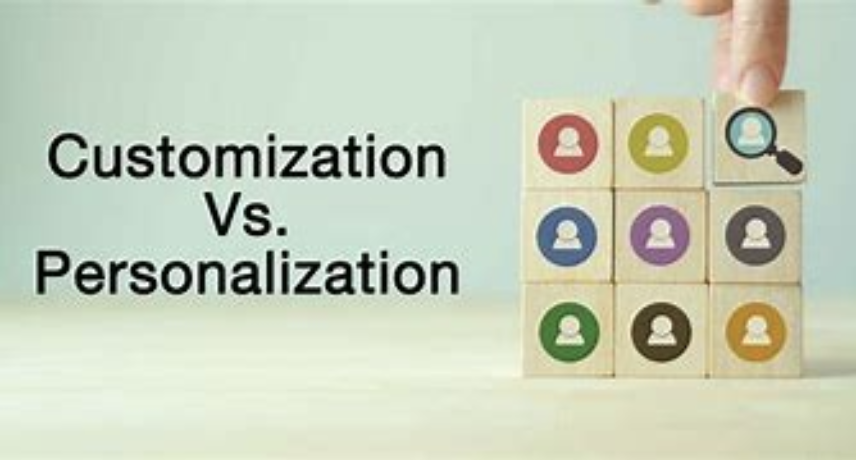
A carefully selected group of friends formed through algorithmic compatibility might appear to enhance social ties seamlessly, however, it subtly restricts interactions to enclaves of like-minded individuals. Initially designed as a method to conserve time and eliminate hassle, it slowly transforms into an unseen influence, molding choices and inclinations without users being aware that they have relinquished some level of independence.
Pseudo-Freedom of Customization
Tailored algorithmic offerings appear to represent the zenith of freedom—smart assistants that foresee needs, individualized content streams, and specifically selected investment opportunities. However, these adjustments limit options, as algorithms favor recognized trends over unexpected discoveries. The so-called "freedom to choose" is restricted to selections validated by algorithms, converting self-determination into a meticulously managed illusion.

Hidden Transfer of Decision Sovereignty
Dependence on algorithmic decision-making tools among the elite diminishes subtle control over choices. Ranging from AI-based financial management to neurofeedback-driven daily organization, algorithms progressively influence vital decisions. Gradually, confidence in personal judgment diminishes, as the accuracy perceived in algorithms replaces instinctive or value-guided choices—exchanging autonomy for a false sense of efficiency.
Algorithmic Hijacking of Identity Autonomy
The wealthy utilize algorithms to create and enhance their identities—social media personas augmented by AI, culturally tailored preferences driven by algorithms, and even digital identity figures. However, the effect is reversed: algorithms start to dictate what an "ideal" identity looks like for the elite community, compelling adherence to algorithmic standards and diminishing genuine personal expression.

Circle Solidification as Algorithmic Control
Exclusive networking algorithms promise broader connections, yet they impose control through the fortification of social groups. They connect elites solely with those who share similar viewpoints, eliminate "inefficient" exchanges, and reinforce prevailing power dynamics. The perception of freedom to engage with elite networks becomes confining, restricting exposure to varied viewpoints.
Privacy-for-Optimization Control Bargain
Advanced algorithmic optimization requires an unprecedented level of data access—including biometric information, private discussions, and personal preferences. The elite exchange this privacy for personalized experiences, unknowingly relinquishing control to entities that manage and scrutinize their information. This trade transforms personal data into an instrument of control, providing little recourse if algorithms are misapplied.
Active Domestication of Algorithms for Freedom
The distinction between freedom and control lies in intentional actions. Informed elites actively engage with algorithmic outputs; they modify settings, infuse human insights, and construct custom algorithms that reflect their values. This proactive adaptation changes algorithms from instruments of control into extensions of personal will, regaining independence amid optimization.
Algorithmic optimization is not inherently liberating or limiting; it mirrors the authority of those who wield it. For the privileged, the choice lies in whether to allow algorithms to steer their lives or to master these tools in a way that enhances, rather than supplants, genuine freedom.
(Writer:Lorik)
Related Articles