Information Overload, Knowledge Deficit
advertisement
We exist in a time when data is everywhere—accessible through smartphones, social media, and various online platforms. However, for numerous individuals, particularly those who value growth and insight, this continuous stream does not convert into substantial understanding. The disparity between information intake and genuine knowledge acquisition stems not from a lack of effort, but rather from the influence of technology on how we engage with content, often in subtle and unrecognized manners.
Algorithmic Filter Bubbles: Limiting Information Access
Sophisticated algorithms aimed at increasing engagement create personalized filter bubbles that supply us with repetitive and affirming content. Instead of broadening our exposure to various viewpoints, they confine us within echo chambers—even for affluent individuals who desire deeper insights. This tailored information seems plentiful but does not offer the diversity required for a comprehensive understanding.

A significant portion of contemporary digital information is crafted for quick consumption and immediate satisfaction—short videos, fragmented articles, and transient posts. In contrast to well-structured, in-depth content, these fleeting snippets do not provide the necessary context and substance, rendering it difficult to weave ideas into cohesive knowledge, even for those who have the time and resources for deeper engagement.
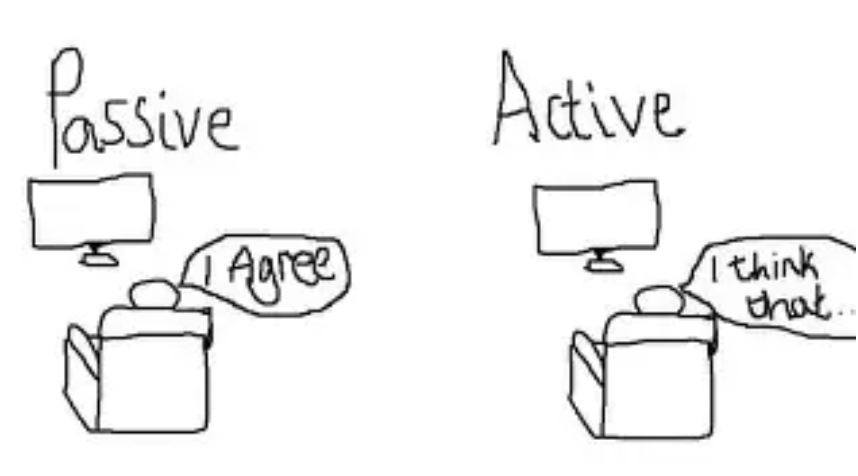
Passive Consumption vs. Active Curation
The current technological landscape has made passive consumption of information the norm—endless scrolling and thoughtless clicking—rather than encouraging active curation. AI-driven content feeds emphasize quantity over quality, prompting us to consume more without critically analyzing, organizing, or questioning the material presented. For insightful individuals, this passive approach results in an overload of information, rather than enduring knowledge.
Insufficient AI-Driven Knowledge Integration
Although AI is great at providing information, there are few tools that focus on transforming it into practical knowledge. Most AI content generation tools prioritize distribution over connection, failing to assist users in relating new information to what they already understand. This lack of correlation leaves even technologically proficient, high-information individuals swamped with disconnected details, rather than unified knowledge.
Consequently, the processes involved in making decisions tend to be more sluggish and less accurate, even among experts and top management. In the absence of successful AI-driven knowledge integration, important information stays segregated, hindering users from developing comprehensive understanding and maximizing the strategic value of the data.
Digital Distraction: Breaking Cognitive Concentration
Technology-driven distractions—like push notifications, multitasking applications, and constant connectivity—disrupt our cognitive concentration. To foster knowledge, we require ongoing focus to process and absorb information, yet modern technology is designed to divert our attention in multiple directions simultaneously. Even for those capable of minimizing distractions, the tech landscape complicates deep and focused learning.
Misinformation Laundering through Tech Platforms
Technology facilitates "misinformation laundering," whereby false or misleading information is presented as credible, circulated across platforms, and accepted as normal. For busy, high-achieving individuals, discerning verified facts from polished misinformation is a time-intensive task, resulting in the gathering of inaccurate information instead of trustworthy knowledge.
The gap between information and knowledge is not determined by the volume we consume but by the manner in which we interact with that consumption. While technology offers a wealth of information, it often obstructs the critical thinking and concentration necessary to transform that data into something meaningful—leaving many overwhelmed by content and deprived of genuine knowledge.
(Writer:Matti)
Related Articles
