Tech Dividends: Concentrated in a Few Hands
advertisement
The period of technology becoming universally accessible is diminishing—what was once celebrated as a significant equalizer has subtly altered, with the primary benefits of technology now directed toward a limited group. Those equipped to access, master, and utilize advanced innovations see the gap between themselves and others expand each day. This situation extends beyond mere financial resources; it involves deliberate utilization, strategic expertise, and the ability to convert technology into a means for distinct benefits—advantages that remain unattainable for the majority, even as technology becomes more widespread.

The most revolutionary technologies—from advanced enterprise AI to customized smart home environments—are not available to everyone. Wealthy individuals put money into early-access initiatives, bespoke solutions, and high-end subscriptions that provide exclusive features. While the general population settles for diluted consumer versions, these select few enjoy initial access to technology that optimizes workflows, improves health, and increases returns—creating a divide that’s challenging to bridge.
Tech Mastery, Not Just Ownership, Unlocks Dividends
Possessing technology does not ensure benefits; proficiency does. Numerous individuals with basic access to AI or smart devices utilize them for simple tasks, while wealthier users customize these tools to meet their demanding objectives—incorporating AI into financial strategies, applying smart data to enhance upscale business functions, or using wearables for optimal performance. This expertise transforms regular technology into a tailored advantage, concentrating rewards among those who dedicate time to learn.

Data Sovereignty Separates the Few from the Masses
The benefits of technology are anchored in data, and those who manage their own data command an advantage. Wealthy individuals invest in private data servers, encrypted AI applications, and personalized analytics systems to possess and monetize their information. In contrast, most people relinquish their data to major tech companies at no cost, forfeiting the insights and opportunities that come with owning their data—turning their usage into profits for others, while the privileged reap the rewards from their own information.
The most significant technology benefits arise from seamless, exclusive networks. Wealthy users create interconnected systems—AI assistants coordinated with private banking services, smart home solutions linked with health devices, and productivity tools connected to global resources—that function together to enhance efficiency and convenience. These exclusive ecosystems are not accessible to everyone, concentrating benefits within a restricted group.
Tech Literacy for High-Stakes Goals, Not Convenience
Most individuals acquire technology for the sake of practicality, yet a small number who successfully gain benefits become adept at it for more significant results. They explore AI prompt crafting to create tactical documents, delve into home automation for enhancing upscale property management, or utilize blockchain technology to safeguard their investments. This focused understanding transforms technology into a means for safeguarding and increasing wealth instead of merely serving daily purposes.
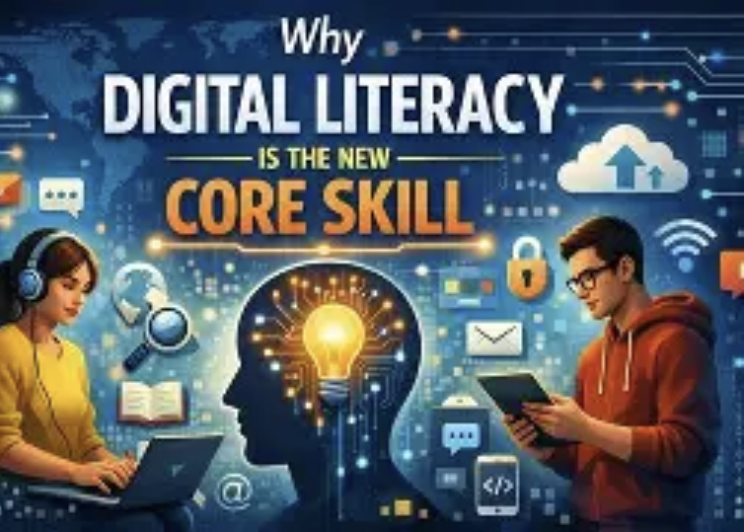
Tech advantages are not shared evenly; they are given to those who put time and effort into accessing, mastering, and strategically employing these tools. For individuals who heavily consume resources, this is not merely about flaunting technology; it's about establishing a unique leverage that accrues over time. As technology progresses, the divide between those who reap its advantages and those who do not is expected to widen—highlighting that in the era of digital innovation, chances benefit a select few who act with intent.
(Writer:Haicy)
Related Articles